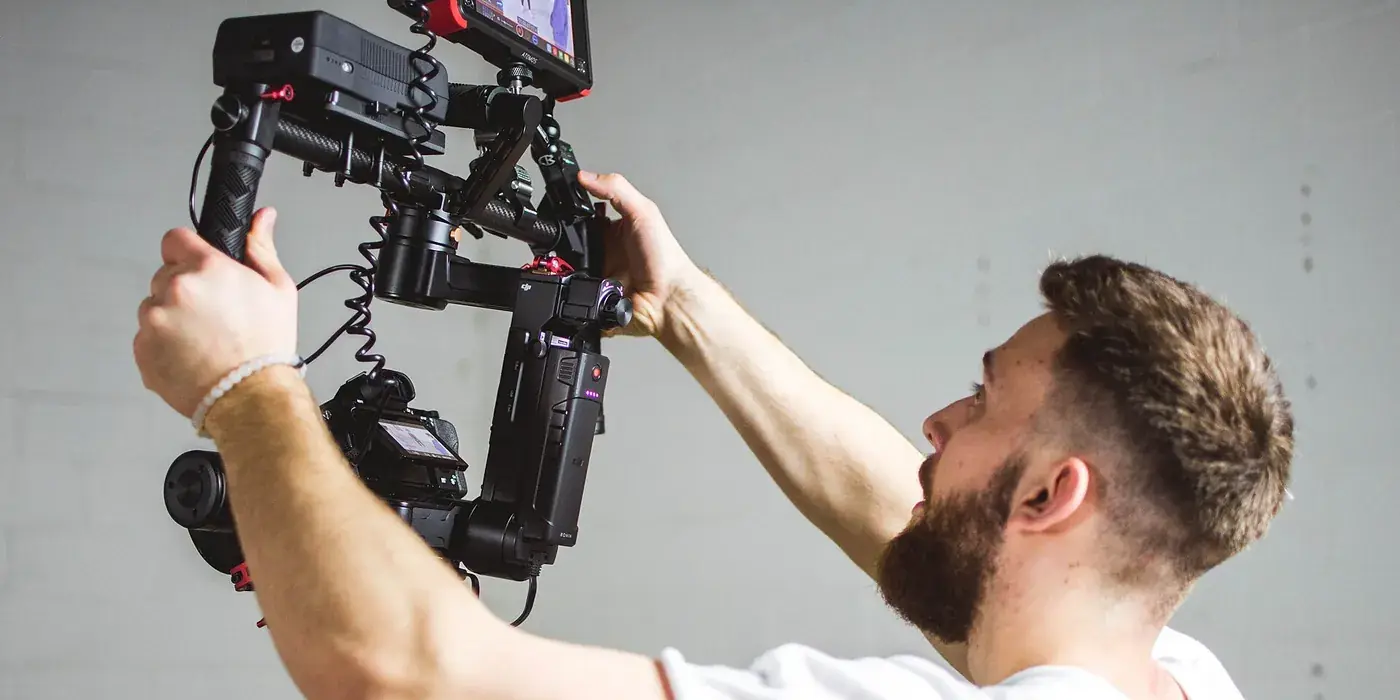
A practical brief for the company
A shoot day, hour by hour.
This is what a factory or workshop day looks like from your side of it: when we arrive, what we need opened, when the floor gets its quiet hour, and what would stop the day. Read it before the walk-round and most of the questions answer themselves.
The running order
From the yard to the wrap
Times shift with the site and the shift pattern, but the order does not. A day shift is shown; a night shift runs the same way ten hours later.
- 07:30
Arrival
Van in the yard, crew signed in, boots and hi-vis on, and a first hello to the contact who is looking after us. We bring our own kit trolley and our own tea.
- 07:45
Walk-round
The same route as the pre-visit, this time with the day's eyes: what is running, what has moved, which bay is full, where the sun is coming in. The shot list gets its final order here.
- 08:15
Power and access
We find the sockets we agreed, run and tape the cables out of the walkways, confirm which doors we can use and which routes the forklifts own. If a light needs a socket that a machine is using, the light moves, not the machine.
- 08:30
Set-up
Camera built, key and fill on stands where the first sequence lives, practicals checked and left on, and a minute of the room's own sound recorded as a bed. We shoot a slate and a grey card in each new light so the grade holds across the day.
- 09:00
First half of the list
Sequence shots in the order the floor allows: goods in, first process, the line at speed. Available light where it is good, a key where it is not. We move with the shift, never against it.
- 12:30
Lunch
The crew eats when the floor eats. If the canteen is where the people are, that is where we are too, camera down.
- 13:15
The quiet hour
Any talking-to-camera happens now, in the room we agreed, away from the line. Lav mic on, one question at a time. Nobody is asked to be funny.
- 14:15
Second half of the list
Details, close-ups, second angles on the strongest processes, the b-roll that will cover the interview, and the shot we missed in the morning because a machine was down.
- 16:30
Check the list
We go through the shot list with your contact and show a contact sheet of what was covered. Anything missing is either picked up now or written into a return visit, in writing, before we leave.
- 17:00
Wrap
Lights down, cables coiled, tape lifted off the floor, doors as we found them. Rushes are copied to two drives before the van leaves the yard.
Seven things, none of them hard
The list we send with the shot list
- A contact who can open doors. One person, on site all day, who can unlock a store, ask a supervisor a question and get an answer inside ten minutes.
- Clearance for faces. A list of who has agreed to be on camera. Anyone not on it is filmed from behind or by the hands only, and we keep to that in the edit.
- A quiet hour. A room away from the line for the talking-to-camera, booked for an hour, with the door shut and the radio off.
- A word to the floor. A note on the board or a line at the start-of-shift meeting saying a crew is in, what for, and that nobody has to perform.
- Parking near a door. The kit goes in on a trolley; a hundred yards of car park in the rain adds an hour to the day.
- A socket or two. Ordinary mains near the first sequence and near the quiet room. We carry our own extensions and tape.
- Honesty about what is running. If the big line is off on Tuesdays, we do not come on a Tuesday. Tell us the shift pattern and we plan to it.
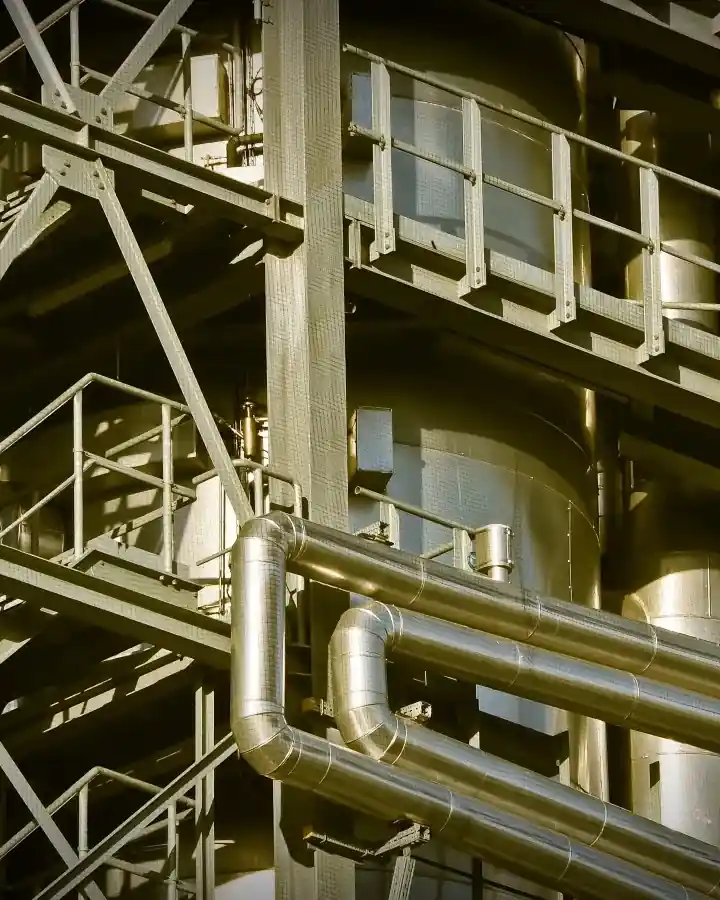
Access, power and routes are checked on the walk-round
Plain speaking
Five things that send a crew home
We would rather say these now than on the day. Each one has happened somewhere, and each one is avoidable with a sentence on the phone the week before.
- Nobody with keys. If the contact is off sick and nobody else can open the stores, half the shot list is behind a locked door.
- A line that is not running. A factory film is a film of a factory working. Planned maintenance on the day we come means a return visit, not a slower day.
- A room too loud for the interview. A lav mic hears a compressor through two walls. If the quiet room is not quiet, the interview moves to a car or another day.
- The product not ready. For a product film, the object has to exist, finished, in the room. A photograph of it is not the object.
- Weather, only for exteriors. Rain does not stop an indoor day. It does stop the yard shots and the exterior of the building, which we then pick up on the return visit.
When a day stops early we write down what was covered, what was not, and what the return visit will take. You see that note before we leave the yard, and the return visit is quoted plainly rather than folded into the edit.
Send the shift pattern with the brief.
Tell us which days the floor runs at its best and we plan the walk-round and the shoot day around them. The form asks for exactly that.